
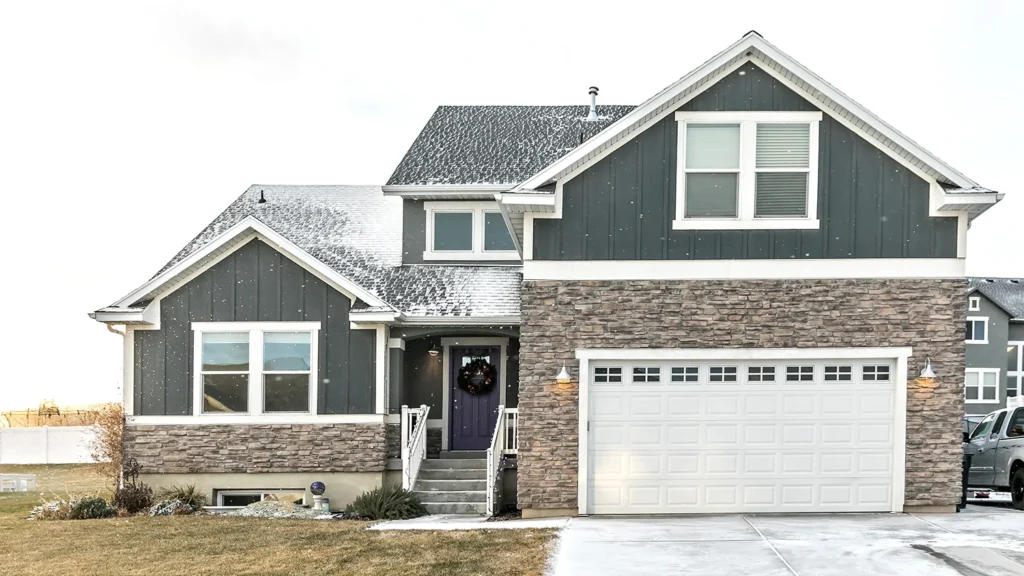
A heavy winter snowstorm in the Salt Lake Valley or along the northern Wasatch Front is beautiful until a tenant slips on an icy walkway or a furnace fails at 2:00 AM. In the eyes of the law, these aren’t just inconveniences; they are immediate threats to the habitable condition of your property. For property owners throughout Utah, winter 2025 isn’t just about maintenance—it’s about a new era of legal compliance.
- 1. The 2025 "Dangerous Condition" Rule and Habitable Condition
- 2. Snow Removal, Safety, and Maintaining a Habitable Condition
- 3. Life Safety Systems: CO Detectors and Habitable Condition
- 4. Understanding Deficient Condition vs Dangerous Condition
- 5. Winter Plumbing and Pipe Protection
- 6. The Rhino Property Management Advantage: Ensuring Constant Habitable Condition
- Habitable Condition: Staying Ahead of Winter and the Law
In 2025, the stakes for winter maintenance are higher than ever. The Utah Fit Premises Act 2025 updates mean that “deficient conditions” can quickly become “legal liabilities” if not handled within a strict window. By educating yourself on specific snow ordinances and preparing for 2025’s new disclosure and repair requirements, you can protect your tenants and your investment from the harsh reality of a Utah winter.
Maintaining a habitable condition is the cornerstone of successful property management. It ensures tenant safety, protects the physical structure of your building, and shields you from the rising tide of tenant-led litigation in Utah’s evolving rental market. Without proper accommodations in adherence to code, tenants may have cause to terminate their lease without financial recourse for you as a homeowner.
1. The 2025 “Dangerous Condition” Rule and Habitable Condition
The year 2025 brought pivotal updates to the Utah Fit Premises Act, creating a clear legal distinction between a “deficient condition” (minor issues that affect the lease but not safety) and a “dangerous condition.” Under these new standards, any failure of essential services—like heating or water—is classified as a breach of the property’s habitable condition.
The 24-Hour Repair Rule for Utah Rentals
Under the new 2025 amendments, once a tenant notifies you of a dangerous condition, you must commence remedial action within the 24-hour repair rule Utah rentals now mandate. This doesn’t necessarily mean the repair must be finished in 24 hours, but the “remedial action” (calling a tech, ordering parts, providing temporary heat) must begin.
- Total Heating Failure: During a northern Utah winter, lack of heat is an automatic “dangerous condition.”
- The 3-Day Notice to Repair: If a landlord fails to act within the 24-hour window for dangerous items, tenants can move to a 3-day notice to repair. If the issue persists past that, they may be legally entitled to “rent abatement,” where they end the lease and move out within 10 days, or “repair and deduct.”
- Proactive Check: Have your HVAC systems professionally serviced before the first deep freeze of winter. This avoids emergency surcharge rates and prevents potential legal claims that the unit is “unfit for habitation.”
Local Angle: Utah Landlord Heating Requirements 2025
With Northern Utah’s average winter lows reaching into the 20s, a furnace is considered essential equipment under Utah Code § 57-22-4. The 2025 updates emphasize that a property must be able to maintain a safe interior temperature to remain in a habitable condition. If a furnace is yellow-tagged or fails due to lack of maintenance, the owner is strictly liable for the costs of restoring that habitable condition immediately.
2. Snow Removal, Safety, and Maintaining a Habitable Condition
Snow removal is a major source of landlord-tenant friction and a primary source of “slip and fall” liability. Ensuring safe ingress and egress—the ability to safely enter and leave the home—is a fundamental part of keeping a property in habitable condition.
West Jordan Ordinance 7-3-10: The Street Parking Ban
For example, landlords and property managers must educate their tenants on the West Jordan street parking snow ordinance (Ordinance 7-3-10). This law prohibits parking on the street when it is snowing or when snow has accumulated. The ordinance is strictly enforced from November 1st through April 30th.
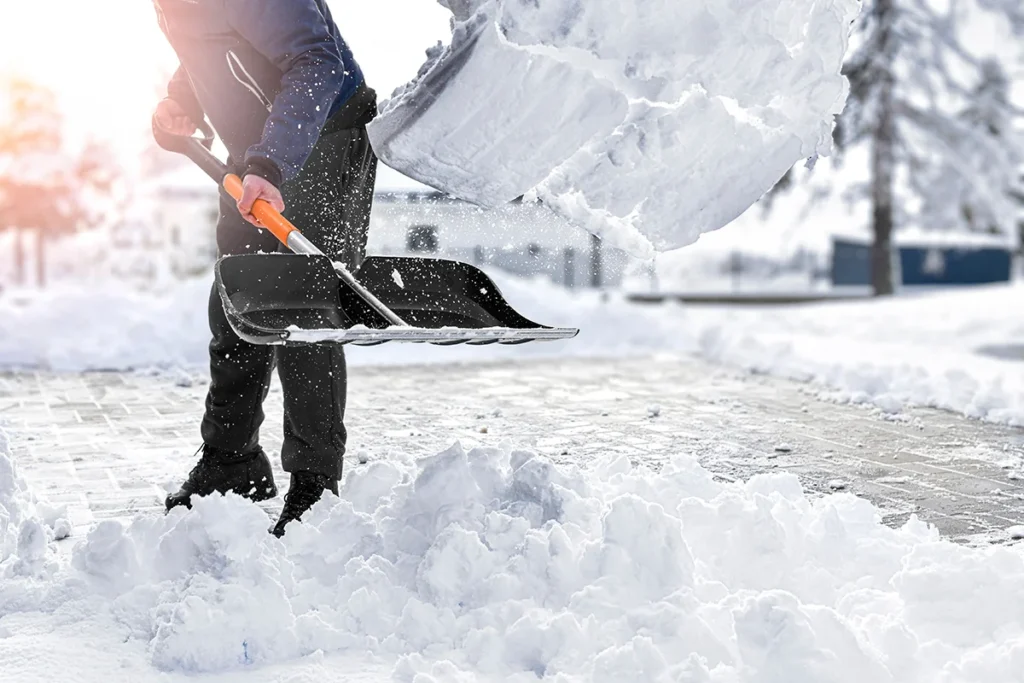
How does this relate to maintaining a habitable condition? If a tenant’s car blocks a plow, the street remains unplowed, potentially trapping tenants or emergency vehicles. This creates a safety hazard that can be traced back to poor property oversight.
Considering and Adhering to Snow Removal Laws in Utah
To avoid liability and maintain the property’s habitable condition, landlords and property managers must be clear about exterior maintenance:
- Sidewalk Liability: Many city codes require sidewalks to be cleared within 24 hours of a storm. If your lease doesn’t explicitly state that the tenant is responsible for their specific walkway, the liability often falls on the owner.
- Salt & Ice Management: Ice build-up on north-facing stairs is a “deficient condition” that can lead to a “dangerous condition” injury. Provide a bucket of ice melt for tenants to promote Salt Lake County winter safety.
- The “Habitable Ingress” Rule: If a tenant cannot safely walk from their door to their car due to 6 inches of unmanaged ice, the property is arguably not in a habitable condition.
3. Life Safety Systems: CO Detectors and Habitable Condition
December is peak season for house fires and carbon monoxide (CO) incidents. As windows are sealed shut and heaters run 24/7, the risk of gas buildup increases. A home without functioning, code-compliant safety sensors is legally not in a habitable condition.
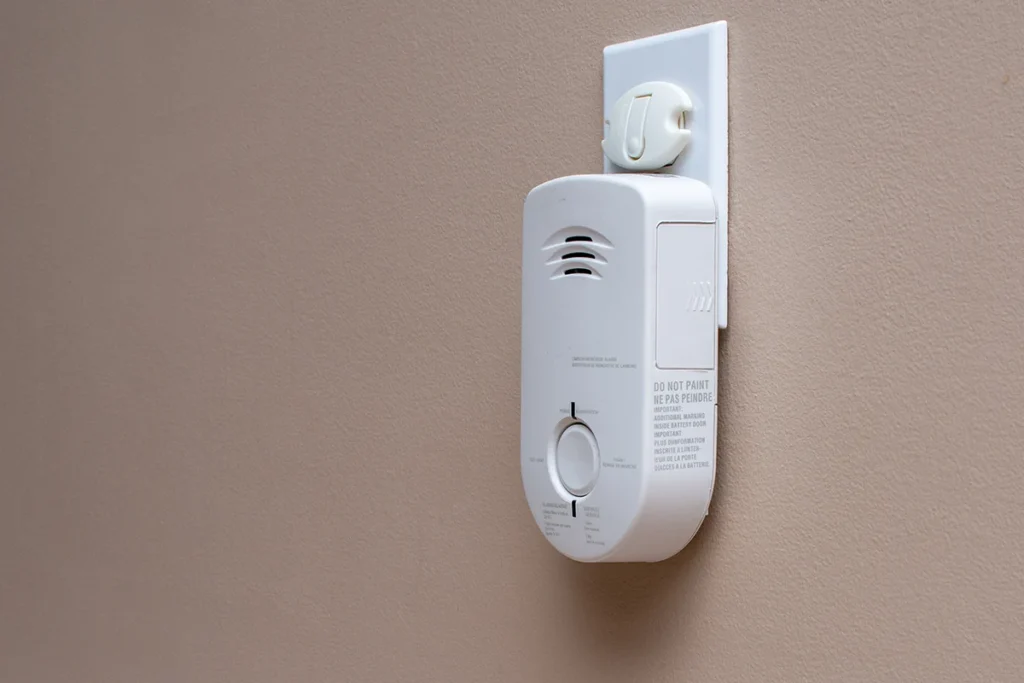
Carbon Monoxide Detector Laws Utah Landlords Must Know
Utah Code is very specific about carbon monoxide requirements. To maintain a habitable condition, your property must meet these 2025 standards:
- Mandatory Installation: CO detectors are required in any unit with fuel-burning appliances (gas stove, furnace, water heater) or an attached garage.
- Strategic Placement: They must be installed on every level of the home. In West Jordan’s common “rambler-style” rentals with basement apartments, this is a frequent point of failure during inspections.
- Battery & Expiry Checks: Most sensors expire every 5–7 years. Mid-December is the final window to verify that detectors have fresh batteries and haven’t reached their end-of-life date.
Failure to provide these detectors is a direct violation of the carbon monoxide detector laws Utah landlords are bound by, and instantly voids the property’s status as being in habitable condition.
4. Understanding Deficient Condition vs Dangerous Condition
A major part of the 2025 updates involves how we categorize repairs. Not every leak is an emergency, but every emergency affects the habitable condition of the home. Understanding the nuances helps you prioritize maintenance and avoid the dreaded 3-day notice to repair.
Repair Timelines at a Glance
| Repair Type | Examples | Timeline to Commence | Legal Risk to Habitable Condition |
| Dangerous Condition | No heat, gas leak, electrical fire hazard, no water. | 24 Hours | High; immediate “unfit for habitation” claim. |
| Habitability Issue | Broken water heater, one toilet broken (out of two), broken locks. | 3 Days | Moderate; leads to “Repair and Deduct” rights. |
| Deficient Condition | Dripping faucet, cracked tile, interior door not latching. | 10 Days | Low; contractual breach, but usually not “uninhabitable.” |
Defining the “Habitability Standard”
The 2025 updates clarify that a unit is in habitable condition only if it is “safe, sanitary, and fit for human occupancy.” This includes weatherproofing (no broken windows or holes in the roof) and the “maintenance of common areas.” If a shared hallway in a fourplex is unlit or icy, the landlord is failing the habitability test for all units involved.
5. Winter Plumbing and Pipe Protection
In the Salt Lake Valley, temperatures often dip into the single digits. Frozen pipes are one of the most common ways a property loses its habitable condition in an instant. When pipes burst, the property is usually flooded, and the water must be shut off, making the unit immediately “unfit for occupancy.”
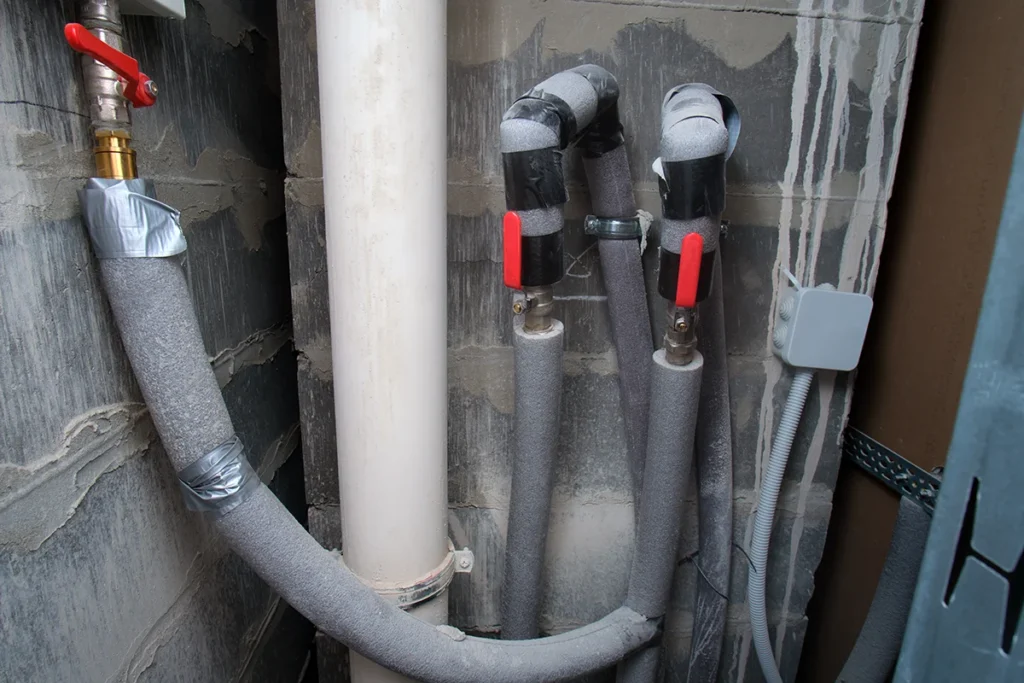
Preventative Winter Rental Maintenance Utah
To keep your investment in habitable condition, implement these “Deep Freeze” protocols:
- Hose Bibs: Ensure all garden hoses are disconnected by late October. A connected hose traps water in the spigot, which freezes and bursts the pipe inside the wall.
- Insulation: Inspect the insulation in crawl spaces and attics. Poor insulation leads to “ice dams” on the roof, which can cause water to back up into the ceiling, destroying the habitable condition of the bedrooms below.
- Tenant Education: Send a “Cold Snap” email. Remind tenants to keep the heat at a minimum of 60°F, even if they are traveling for the holidays, and to open cabinet doors under sinks during extreme freezes.
6. The Rhino Property Management Advantage: Ensuring Constant Habitable Condition
Winter emergencies don’t wait for business hours. When a pipe bursts or a heater fails on Christmas Eve, the legal clock starts ticking immediately. For an individual landlord, finding a plumber at midnight on a holiday is nearly impossible—but for Rhino, it’s just another day at the office.
Emergency Property Maintenance West Jordan and Beyond
At Rhino Property Management, we do offer emergency property maintenance services that Utah homeowners can rely on. We maintain a network of “preferred vendors” who prioritize our calls because of our volume and professional relationship.
- 24/7 Response: Our maintenance hotline ensures that every “dangerous condition” is logged and addressed within the mandatory 24-hour window.
- Habitable Condition Audits: We don’t wait for things to break. Our team performs seasonal inspections to ensure CO detectors, furnaces, and weatherstripping are all in peak condition before the first snowflake falls.
- Legal Compliance: We stay updated on every change to the Utah Fit Premises Act. We handle the paperwork, the notices, and the vendor coordination, ensuring you never face a “wrongful eviction” or “habitability” lawsuit.

Why Professional Management is Your Best Winter Defense
Managing a property in Utah’s climate is a full-time job. Between the snow removal laws and the strict new repair timelines, the margin for error has disappeared. We handle the “Deep Freeze” so you can enjoy your holiday season with peace of mind, knowing your property is in a safe, legal, and habitable condition.
Habitable Condition: Staying Ahead of Winter and the Law
Winter in Utah requires more than just a shovel; it requires a proactive understanding of the 2025 legal landscape. Between the West Jordan snow removal laws and the updated habitable condition requirements, DIY landlords face more risk than ever before.
Maintaining a dwelling isn’t just about being a “good landlord”—it’s about protecting your financial future. A single slip-and-fall or a furnace failure handled poorly can wipe out a year’s worth of rental profit in legal fees and fines. Staying ahead of the snow and the law is the only way to ensure your property remains profitable and your tenants remain safe.
Tired of the 2:00 AM “no heat” calls and the stress of 2025 legal compliance? Switch to Rhino Property Management today. Let our experts handle the winter stress and keep your investment in peak habitable condition all season long.