
On May 6, 2026, the landscape of rental maintenance in the Beehive State undergoes a fundamental transformation. For years, property owners in Utah have enjoyed a relatively straightforward process for managing repairs, but the introduction of new legislation, Utah HB 516 Landlord Laws, has added layers of complexity that every investor must understand. The power dynamic of rental maintenance is shifting. For the first time, tenants will have a streamlined legal path to hire their own contractors and deduct the bill directly from their rent check if specific conditions aren’t met.
Under the recently enacted Utah HB 516 landlord laws, a deficient condition that isn’t addressed with the proper urgency can result in a tenant deducting up to two months of rent to cover repair costs. If your communication isn’t documented and your vendors aren’t moving fast, you could lose thousands in cash flow overnight. This isn’t just about fixing a leaky faucet anymore; it’s about a high-stakes compliance environment where the clock starts ticking the moment a tenant notices a problem. By updating your notice procedures now and establishing a substantial action protocol, you can protect your rental income and ensure maintenance remains firmly under your control.
- Understanding the Repair and Deduct Trigger Under Utah HB 516 Landlord Laws
- The Substantial Action Safe Harbor in Utah HB 516 Landlord Laws
- Professional Communication Standards and Utah HB 516 Landlord Laws
- The Rhino Property Management Advantage Under Utah HB 516 Landlord Laws
- Adapting to the New Reality of Utah HB 516 Landlord Laws
Understanding the Repair and Deduct Trigger Under Utah HB 516 Landlord Laws

The core of the new legislation revolves around the tenant’s ability to seek a rent abatement remedy or perform repairs themselves. Utah HB 516 landlord laws clarify that if a tenant provides written notice of a deficient condition—defined as a violation of habitability standards or a requirement of the lease agreement—they can eventually hire a licensed contractor to fix the issue if the landlord fails to act.
This is a significant departure from previous years. While the Utah Repair and Deduct Law 2026 update provides tenants with more leverage, it also sets strict boundaries that owners must navigate. Understanding these triggers is the first step in maintaining the financial health of your investment.
The 2-Month Cap and Licensed Requirements
It’s important to note that tenants can’t just hire a friend to patch a roof and send you the bill. The law stipulates that for a tenant to utilize the repair and deduct remedy, they must use licensed and insured contractors. Furthermore, they’re required to provide you with all receipts within five days of the work being completed. Even with these safeguards, the financial hit can be substantial, as the law allows for a deduction of up to two months’ rent.
Habitability vs. Lease Requirements Under Utah HB 516 Landlord Laws
The corrective period allowed for an owner to fix a problem depends entirely on the nature of the issue. Utah HB 516 landlord laws create a clear distinction:
- Standard of Habitability: For issues that impact the safety or health of the resident (like lack of heat or water), the corrective period is three business days.
- Lease Requirements: For other maintenance issues that are required by the specific terms of your rental agreement but don’t fall under basic habitability, the owner generally has 10 calendar days to respond.

The Local Impact in West Jordan
While this is a state-wide shift, the impact is felt most acutely in high-demand areas like West Jordan. As tenants become increasingly aware of their rights and the specifics of Utah code 57-22-6, the margin for error for DIY landlords shrinks. In a market where a single-family home might rent for $2,500 or more, a two-month rent deduction represents a $5,000 loss in revenue. Having a clear, digital maintenance portal for written notices is no longer just a nice-to-have feature—it’s a legal shield that protects your equity.
The Substantial Action Safe Harbor in Utah HB 516 Landlord Laws
While the new laws give tenants more power, they also provide a critical safe harbor for proactive landlords. The best defense against a tenant-led repair is the Substantial Action Clause found within Utah HB 516 landlord laws. This clause is designed to protect owners who are making a genuine, documented effort to resolve an issue, even if the final repair takes time due to parts availability or contractor scheduling.
Defining Substantial Action
If an owner takes substantial action to fix a problem before or immediately after receiving a deficient condition notice from a tenant, the tenant’s right to trigger the repair-and-deduct remedy is effectively mitigated. But what counts as substantial? It’s not enough to simply say you’re looking into it. You must demonstrate that you’ve commenced the remedial process.
In the eyes of the law, the start of the repair is just as legally important as the completion. This means you need to document the exact minute a work order is sent to a vendor and when that vendor first arrives on-site or orders necessary materials.
Navigating Utah’s Seasonal Challenges
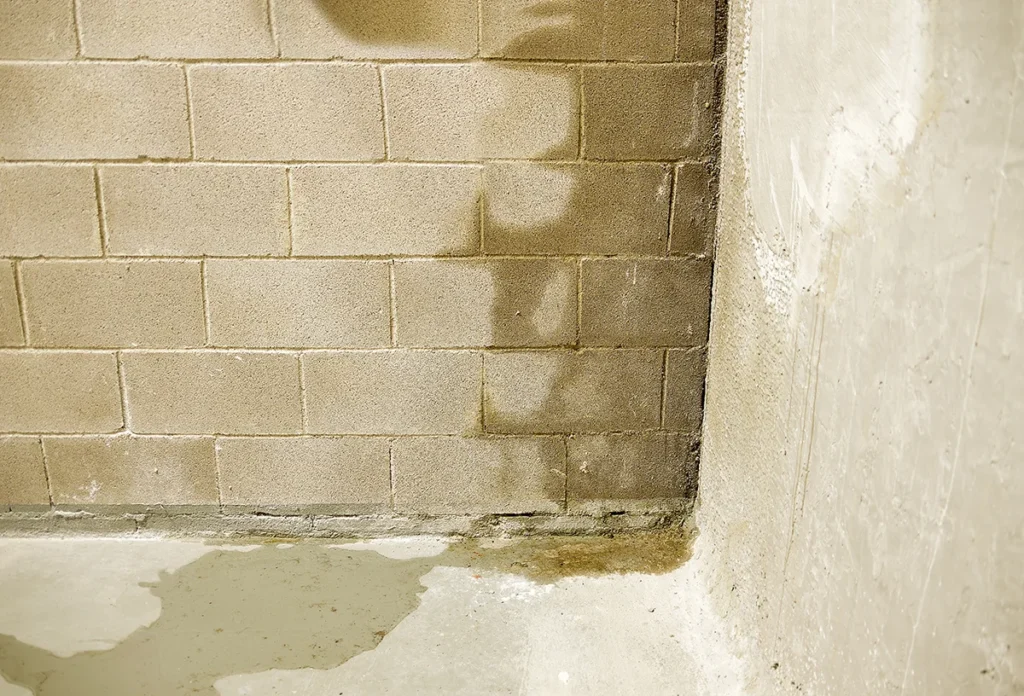
In our local climate, certain maintenance issues are more likely to trigger these laws than others. For example, Utah’s spring runoff often leads to basement leaks in West Jordan ramblers. If a tenant serves a notice regarding a flooded basement, waiting a week to call a plumber is no longer an option. Under Utah landlord communication amendments 2026, you need on-call professionals who can provide immediate timestamps of their initial visit. By documenting this initial substantial action, you prevent the tenant from legally taking over the repair process and potentially overcharging for a contractor of their choice.
Professional Communication Standards and Utah HB 516 Landlord Laws
The new legislation places a heavy emphasis on how landlords and tenants interact. While the law states that communication must be reasonable under the circumstances, the reality of the courtroom is that having things in writing is the only way to win. If you’re still managing your properties via text message or casual phone calls, you’re exposing yourself to massive risk under Utah HB 516 landlord laws.
Moving Beyond the Text Message
To stay compliant with Utah landlord communication amendments in 2026, it’s vital to move all maintenance-related talk into a centralized, archived system. When a tenant claims they sent a deficient condition notice, Utah law requires that you have a verifiable paper trail to show exactly when that notice was received and what your response was. A text message thread is easily manipulated or lost, but a professional management portal provides a permanent, time-stamped record that stands up in a legal dispute.
Updating Your 2026 Lease Renewals
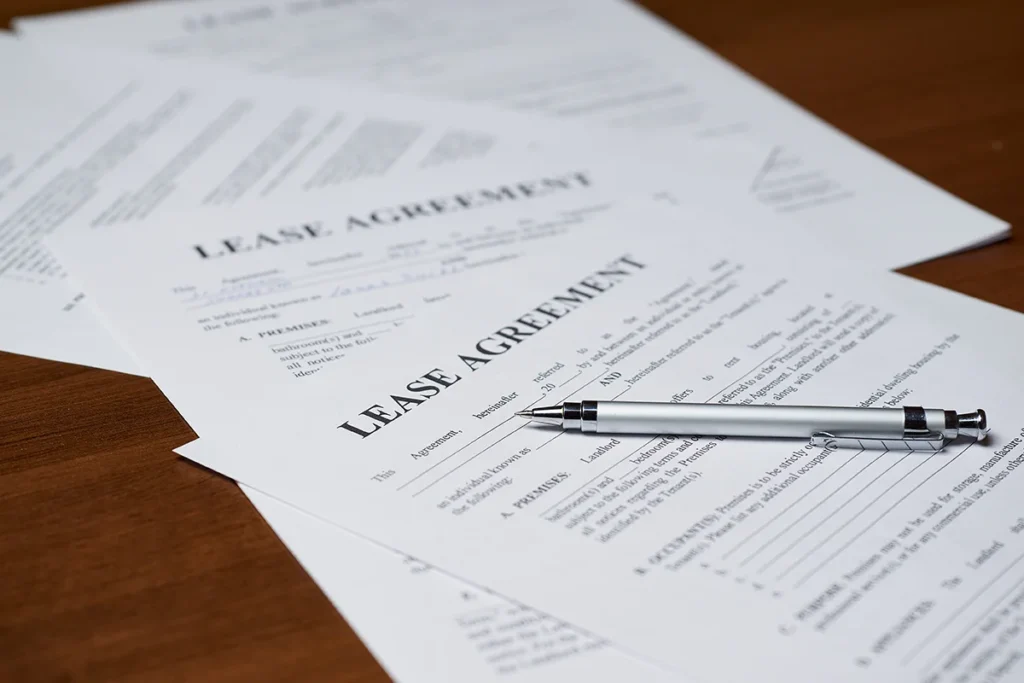
Now is the time to look at your lease agreements. Your 2026 renewals should explicitly define how a Notice of Deficient Condition must be served to be considered valid. By setting these standards early, you prevent stealth notices where a tenant might claim they told you about a problem in passing, only to later use it as justification for a rent deduction. You must ensure your tenants know exactly where to send their requests to trigger the clock, and you must be ready to respond the moment they do.
Protecting Your ROI in West Jordan
With West Jordan rents continuing to stabilize, protecting your annual ROI is more important than ever. Even a single month of rent abatement or a high-priced emergency repair by a tenant’s contractor can wipe out your profit for the entire year. Professional communication isn’t just about being polite; it’s about creating a legal boundary that ensures maintenance remains a managed expense rather than an unpredictable liability.
The Rhino Property Management Advantage Under Utah HB 516 Landlord Laws
The complexities introduced by these 2026 updates make DIY property management significantly more dangerous for the average investor. Between tracking business days versus calendar days and documenting the exact moment of substantial action, the administrative burden has doubled. This is where Rhino Property Management steps in to protect your investment.
At Rhino Property Management, we’ve spent months preparing for the implementation of Utah HB 516 landlord laws. We didn’t wait until the May deadline to start changing our processes. We’ve already updated our 2026 lease agreements to meet the new standards, ensuring that every notice and response is handled according to the strict requirements of Utah code 57-22-6.
Our 24/7 Maintenance Hub
One of the biggest risks under the new law is the Dangerous Condition clause, which requires remedial action to commence within 24 hours. Our 24/7 maintenance hub is specifically designed to handle these high-pressure situations. We ensure that substantial action is not only taken but meticulously documented the moment a tenant reports a problem. We use a network of vetted, insured contractors who understand the importance of timestamps and detailed reporting.
Keeping the Power in Your Hands
Our goal is simple: to keep the repair and deduct power in your hands. By ensuring that no maintenance request ever sits long enough to trigger a tenant’s right to hire their own contractor, we protect your cash flow. We handle the “how to handle tenant maintenance requests in Utah” question so you don’t have to worry about a surprise $4,000 deduction on your next owner statement.
The shift in Utah’s legal environment means that being a good landlord isn’t enough anymore—you have to be a compliant one. With Rhino Property Management, you get the peace of mind that comes from knowing your properties are managed by experts who understand the nuances of the law and the specific needs of the West Jordan market.

Adapting to the New Reality of Utah HB 516 Landlord Laws
The arrival of May 2026 marks the biggest shift in Utah landlord-tenant communication in over a decade. The introduction of more robust tenant remedies and the formalization of the repair-and-deduct process mean that the old way of doing things is officially obsolete. Owners who fail to adapt to the new Utah HB 516 landlord laws risk not only their monthly cash flow but the long-term stability of their rental portfolios.
Success in this new era requires a dual approach: proactive maintenance and ironclad documentation. You can no longer afford to be reactive. By understanding the triggers for a deficient condition, leveraging the substantial action safe harbor, and maintaining professional communication standards, you can navigate this landscape successfully.
Don’t wait for a tenant to serve you with a notice of deficient condition to find out if your systems are up to par. The costs of a mistake under Utah code 57-22-6 are too high to leave to chance.