

Imagine turning part of your existing living space into a separate accessory dwelling unit, also known as a rental unit, that pays for half your mortgage—all without the stress of buying a second property. For many homeowners and investors, an accessory dwelling unit in Utah isn’t just a dream; it’s becoming a functional reality. With Utah’s median home price sitting at approximately $588,397 and the gold rush of massive rent hikes finally cooling into a more stable market, landlords need a new way to manufacture equity and cash flow. The traditional model of buying single-family homes and waiting for appreciation is still valid, but the margins are tighter than they used to be.
By leveraging West Jordan’s newly proposed accessory dwelling unit Utah text amendments, property owners can capitalize on the 2026 trend of gentle density to maximize their land’s value. Whether you’re looking to house a family member or create a dedicated income stream, understanding the nuances of an accessory dwelling unit in Utah is the key to unlocking hidden potential in your existing real estate portfolio. This guide explores the changing legal landscape, the financial benefits of infill development, and the practical steps to getting your project off the ground.
- What’s Changing for the Accessory Dwelling Unit in Utah?
- Why 2026 is the Year for In-Fill ROI and the Accessory Dwelling Unit Utah
- Spring Maintenance and Planning for Accessory Dwelling Unit Utah Success
- The Rhino Property Management Advantage for Your Accessory Dwelling Unit Utah
- Building the Future with an Accessory Dwelling Unit Utah
What’s Changing for the Accessory Dwelling Unit in Utah?
Recently, the West Jordan Planning Commission held public hearings regarding significant text amendments to West Jordan City Code 12-5-8. These updates are a direct response to the housing shortage facing the Wasatch Front and represent a shift in how the city views residential lots. The goal of these changes is to provide more flexibility for homeowners while maintaining the character of established neighborhoods.
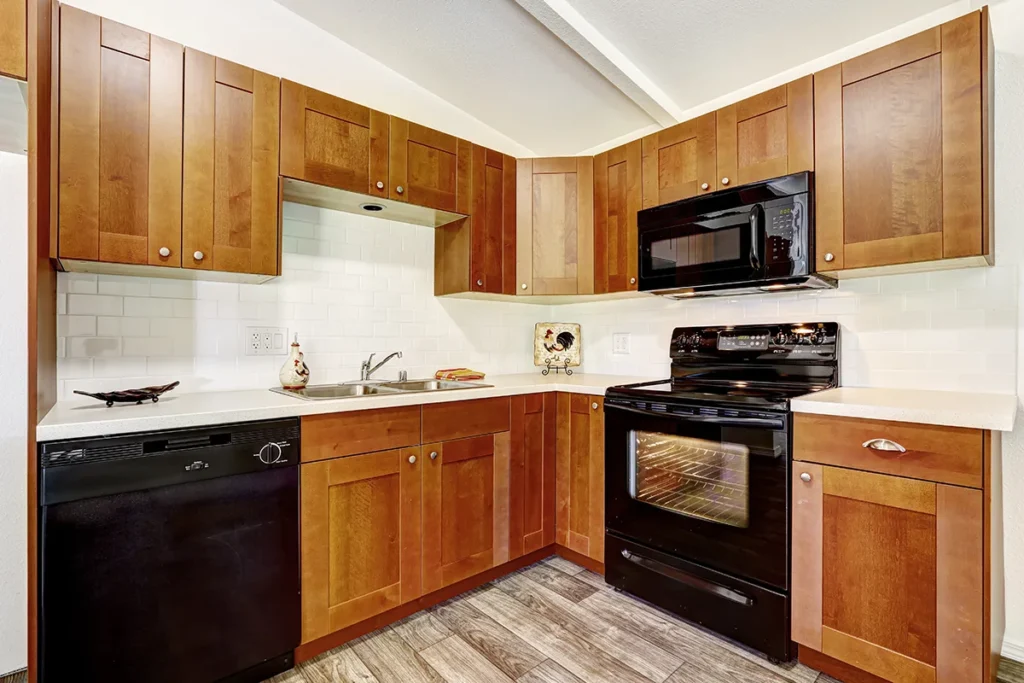
Internal vs Detached Accessory Dwelling Unit (ADU) Options
One of the most important distinctions in the 2026 update is the physical relationship between the primary residence and the secondary unit. Internal vs detached ADU regulations have historically been quite different, but the new text amendment seeks to bridge the gap. Internal ADUs, such as those created when a homeowner learns how to build a basement apartment in West Jordan, are becoming significantly easier to permit. These units exist within the footprint of the existing house.
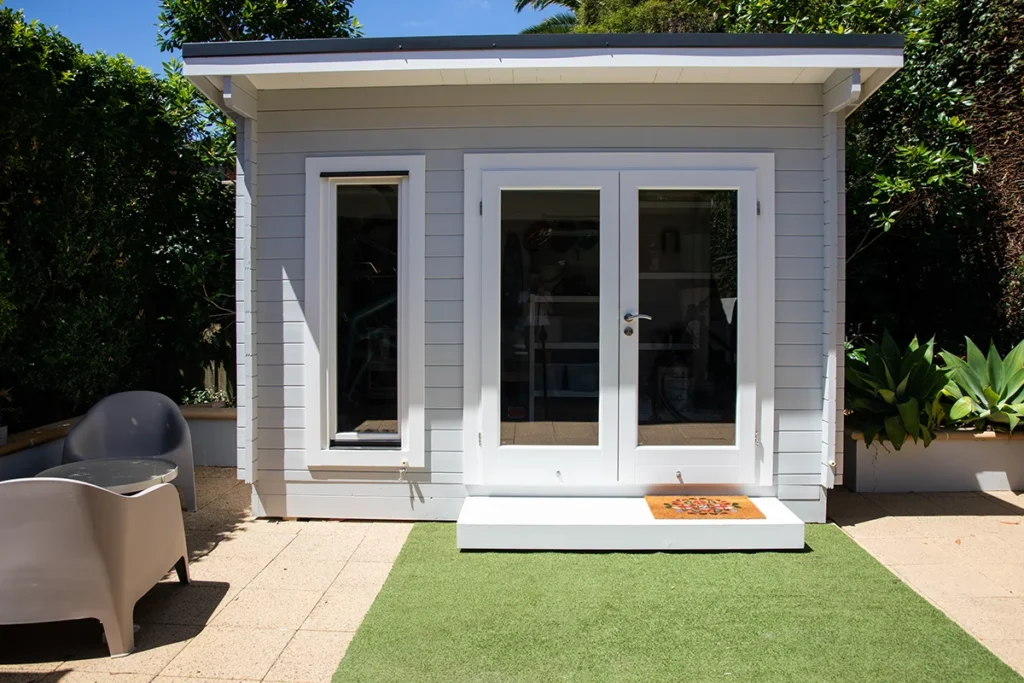
On the other hand, detached ADUs—often referred to as tiny homes, carriage houses, or over-garage units—are the new frontier for 2026. These standalone structures offer more privacy for both the landlord and the tenant, making them highly desirable in the rental market. While they require more significant upfront investment in terms of foundation and utility extensions, their long-term value is immense.
The Primary Residence Exemption and Occupancy Rules
A critical factor for any hands-off investor is the primary residence exemption. Historically, many Utah cities required the property owner to live on-site in either the main house or the accessory dwelling unit. As we move through 2026, stay informed on whether the state will maintain a strict owner-occupancy requirement or if it will allow for non-owner-occupied ADUs in specific zones. This distinction determines whether an ADU is a tool for a house hacker or a viable option for a professional landlord with a growing portfolio.
The Financial Angle of Accessory Dwelling Units in Utah
With West Jordan’s median home price hovering around $529,000, adding an accessory dwelling unit Utah is often 50% cheaper than buying a separate investment property in the same zip code. You’re essentially bypassing the cost of land, which is one of the most expensive components of real estate. By building up or in rather than out, you’re making your dirt work twice as hard for you.
Why 2026 is the Year for In-Fill ROI and the Accessory Dwelling Unit Utah
In a stabilized market where average rents are hovering around $1,331, adding a second unit on one lot minimizes your biggest expenses: property taxes and land acquisition costs. This concept of gentle density allows neighborhoods to grow and accommodate more people without the need for massive apartment complexes that change the entire feel of a community. For the savvy landlord, it’s the ultimate infill strategy.
The Second Check Strategy
Think of an accessory dwelling unit in Utah as a second paycheck from the same employer. A basement ADU in Salt Lake County can easily fetch between $1,000 and $1,200 per month in the current market. If your mortgage is $2,400, that single unit is covering nearly half of your primary debt obligation. This nearly doubles your property’s monthly yield without the overhead of a second mortgage or a second set of property tax bills.

The Equity Play
It’s not just about the monthly cash flow. Appraisers in the Salt Lake Valley are increasingly giving high value to income-producing additions. When you go to sell or refinance your home, having a legal, permitted accessory dwelling unit Utah can significantly boost your valuation. In a market where buyers are struggling with affordability, a home that comes with its own mortgage helper is an incredibly attractive asset.
Tech Workers and Modern Studios
The proximity to the Silicon Slopes makes West Jordan a prime location for tech workers. These professionals are often looking for affordable, modern, studio-style living arrangements rather than sprawling four-bedroom homes. A well-designed accessory dwelling unit Utah with high-end finishes, fast internet, and a private entrance is exactly what this demographic is searching for. By catering to this niche, you ensure lower vacancy rates and higher-quality tenants.
Spring Maintenance and Planning for Accessory Dwelling Unit Utah Success
Spring is the ideal time to prep the ground and the foundation if you plan to build or renovate an accessory dwelling unit in Utah this summer. The transition from winter to spring allows you to assess drainage and plan your layout before the peak construction season hits.
Utility Separation and Tenant Favorites
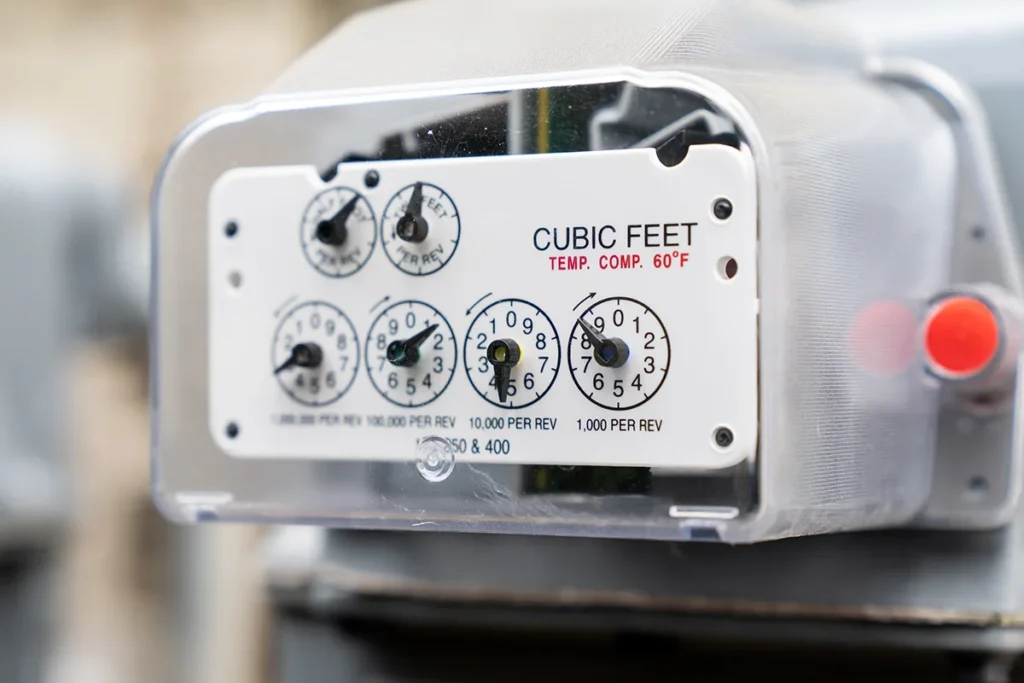
If you’re building a new accessory dwelling unit Utah, always look into separate meters for gas and power. In 2026, this has become a tenant favorite because it eliminates the awkwardness of splitting bills or wondering if the person in the other unit is running the AC all day. It also protects the landlord from unexpected utility spikes. If separate meters aren’t feasible, consider smart home monitoring systems that can track usage per unit accurately.
Curb Appeal for Two
One of the biggest mistakes landlords make with an accessory dwelling unit Utah is treating the second unit as an afterthought. To ensure high-quality tenant retention, you must prioritize privacy.
- Ensure the primary and secondary units have distinct, well-lit entrances.
- Create private outdoor spaces, such as a small patio or fenced-in side yard, for the ADU.
- Use landscaping or decorative fencing to provide a visual barrier between the two living spaces.
- Invest in soundproofing between floors if you’re building an internal basement apartment.
Navigating Local Zones
When planning your accessory dwelling unit Utah, you have to be aware of specific environmental and zoning constraints. For instance, West Jordan’s Drinking Water Source Protection Overlay Zone is a critical consideration for landlords in certain West Leo Park Road areas. If your property falls within this zone, there may be additional restrictions on construction materials or waste management to protect the local water supply. Furthermore, if your property is located in a P-C Zone (Planned Community), the rules for your accessory dwelling unit Utah might differ slightly from standard residential zones.

The Rhino Property Management Advantage for Your Accessory Dwelling Unit Utah
While the ROI of an accessory dwelling unit in Utah is undeniable, the management of these units can be a headache. Managing two households on one lot is often twice the work and twice the potential for tenant drama. From shared parking disputes to noise complaints and utility calculations, the “single lot, multiple unit” lifestyle requires a professional touch.
Rhino Property Management specializes in all types of property management, from single- to multi-unit dwellings. We understand that an accessory dwelling unit in Utah isn’t just a small house; it’s a unique legal entity that requires specific lease language. We handle the complex utility splits, separate lease agreements, and the shared-space mediation that ADUs require to function harmoniously.
Why Professional Management Matters
- Legal Compliance: We stay on top of the latest West Jordan ADU laws 2026 and Utah code changes so you don’t have to.
- Tenant Screening: Finding the right neighbor for your ADU is different than finding a tenant for a standalone house. We screen for compatibility to minimize friction on the property.
- Maintenance Coordination: Our 24/7 maintenance hub handles repairs for both units, ensuring that your accessory dwelling unit in Utah stays in top condition.
- Maximizing ROI: We help you set the right price based on current ADU rental income potential Utah trends, ensuring you don’t leave money on the table.
We help you maximize the ROI of your accessory dwelling unit in Utah by finding compatible tenants and ensuring the legal fine print of West Jordan’s ADU ordinances is followed to the letter. Whether you’re in the middle of West Jordan or anywhere else across the state, we have the infrastructure to make your ADU project a hands-off success.

Building the Future with an Accessory Dwelling Unit Utah
West Jordan is opening the door for smarter, denser land use through these modern text amendments. An accessory dwelling unit Utah is the ultimate 2026 life hack for Utah landlords looking to thrive in a shifting economy. It’s a way to provide much-needed housing for our community while simultaneously securing your own financial future.
Don’t just wait for the market to go up and hope for the best; build your own equity by taking advantage of West Jordan’s evolving ADU rules. Whether it’s an internal basement conversion or a detached backyard cottage, the opportunity to manufacture value is right in front of you. The landscape of Utah real estate is changing, and those who embrace gentle density will be the ones who come out ahead.
Thinking about adding an accessory dwelling unit Utah to your West Jordan property? Contact Rhino Property Management for a Free Rental Potential Analysis today. We’ll help you look at your lot, analyze the potential income, and walk you through the management steps to ensure your investment pays off for years to come.